Saratoga Springs Foundation Pros
Basement Wall Stabilization in Lehi, UT
Wall anchors, steel I-beams, and carbon fiber bracing for bowing basement walls in Lehi. Free estimates, written scope before install.
Serving Saratoga Springs and nearby communities.
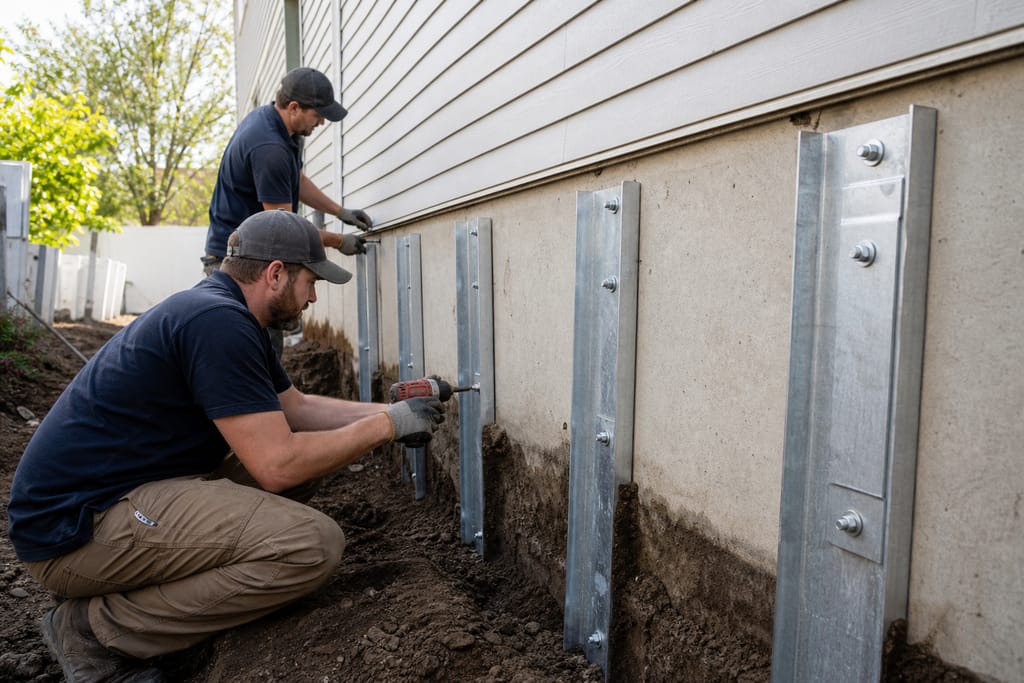
Basement wall stabilization stops a wall from bowing or cracking any further under soil pressure. Saratoga Springs Foundation Pros uses steel I-beams, wall anchors, or carbon fiber straps depending on how far the wall has already moved and how much room there is to work outside.
Spring snowmelt pushes groundwater against basement walls across Utah Valley, and that hydrostatic pressure is usually what's behind a wall that bows more every year. Nearly every home in Lehi has a full basement, so this isn't a rare call, it's a regular one.
What's included
What's included with Wall Stabilization
Typically included
- Inspection to measure bow severity and identify the pressure source
- Method selection — wall anchors, carbon fiber straps, or steel I-beams
- Installation of the chosen reinforcement system
- Tensioning or bracing adjustment to stop further movement
- Final check to confirm the wall is holding
Optional
- Crack sealing on the wall surface before reinforcement goes in
- Exterior grading or drainage work to reduce future pressure
Customer prep
- Clear basement access along the affected wall
- Yard access on the exterior side if anchors are being installed
Want a clearer scope?
Get a Free EstimateHow it works
How our Wall Stabilization process works
 Step 1
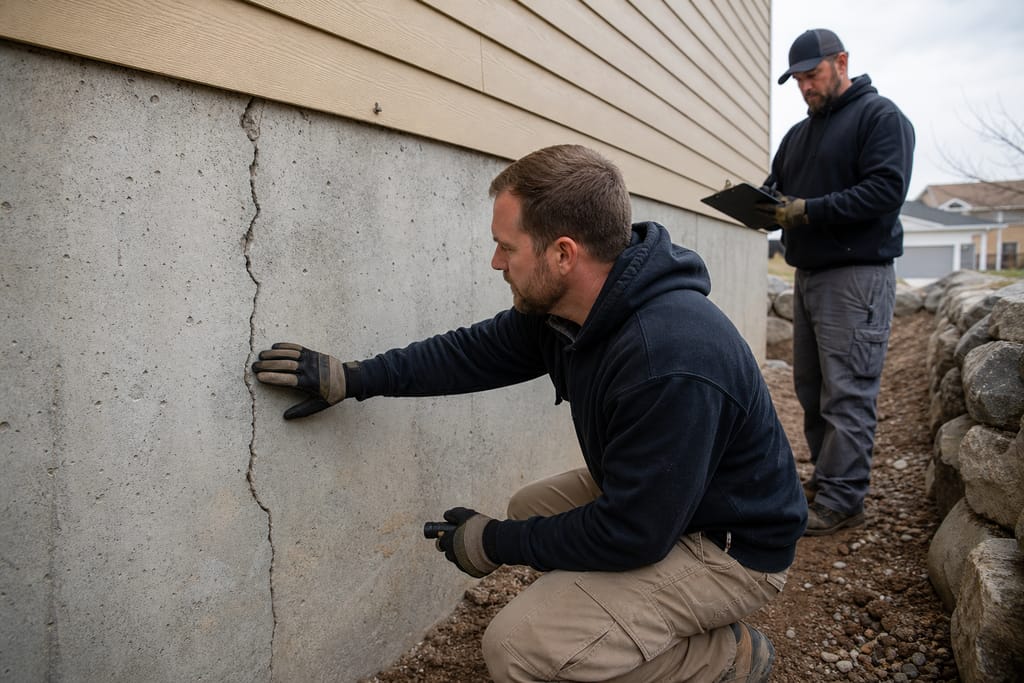
Wall Inspection
Walls are examined for bowing, cracking, or leaning indicators.
 Step 2
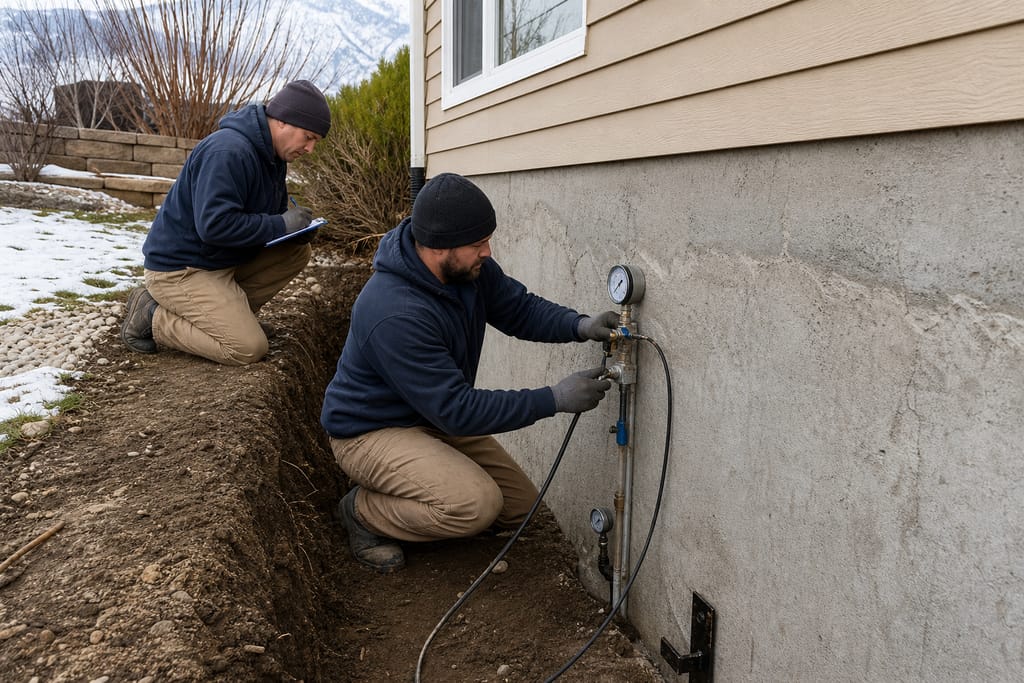
Pressure Assessment
Soil and hydrostatic pressure contributing to wall movement are evaluated.
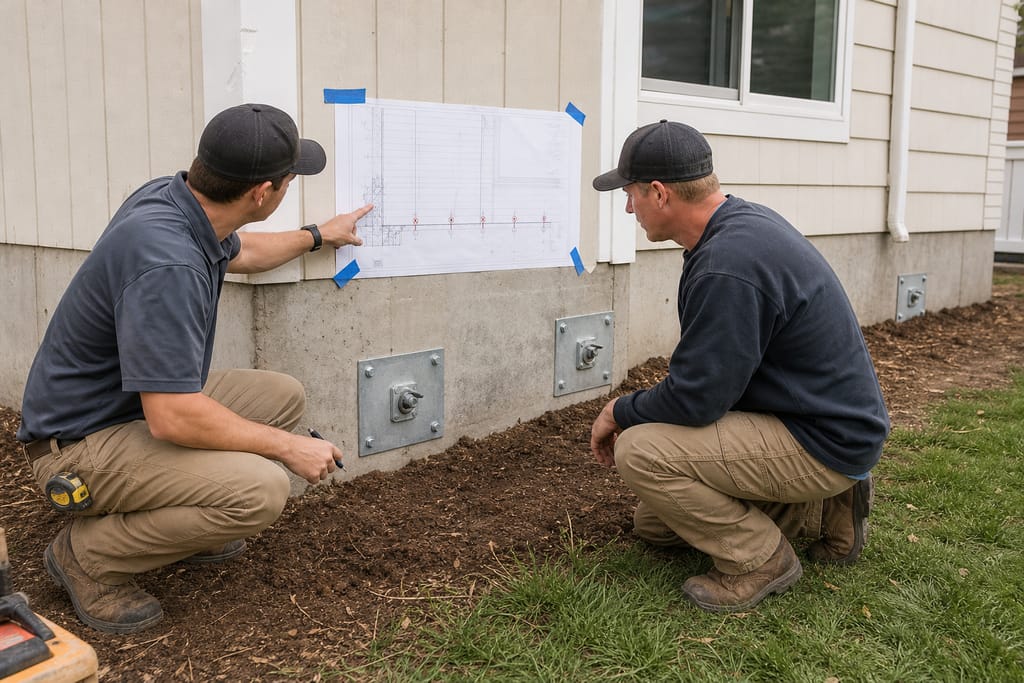 Step 3
Reinforcement Planning
A stabilization method is selected based on wall condition and severity.
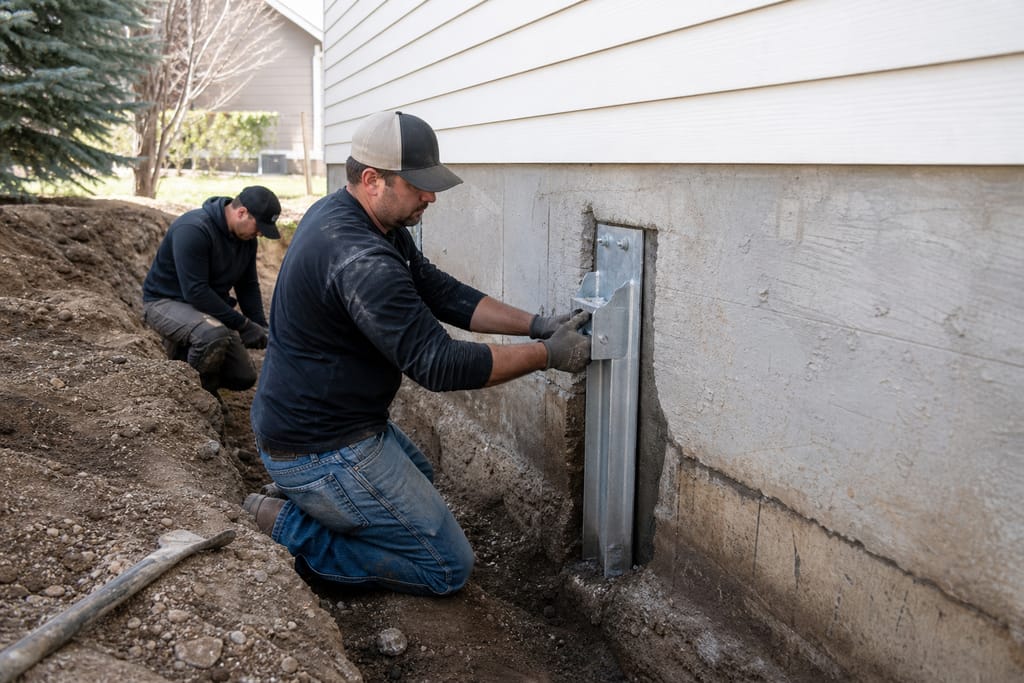 Step 4
Anchor or Brace Installation
Support systems are installed to halt further wall movement.
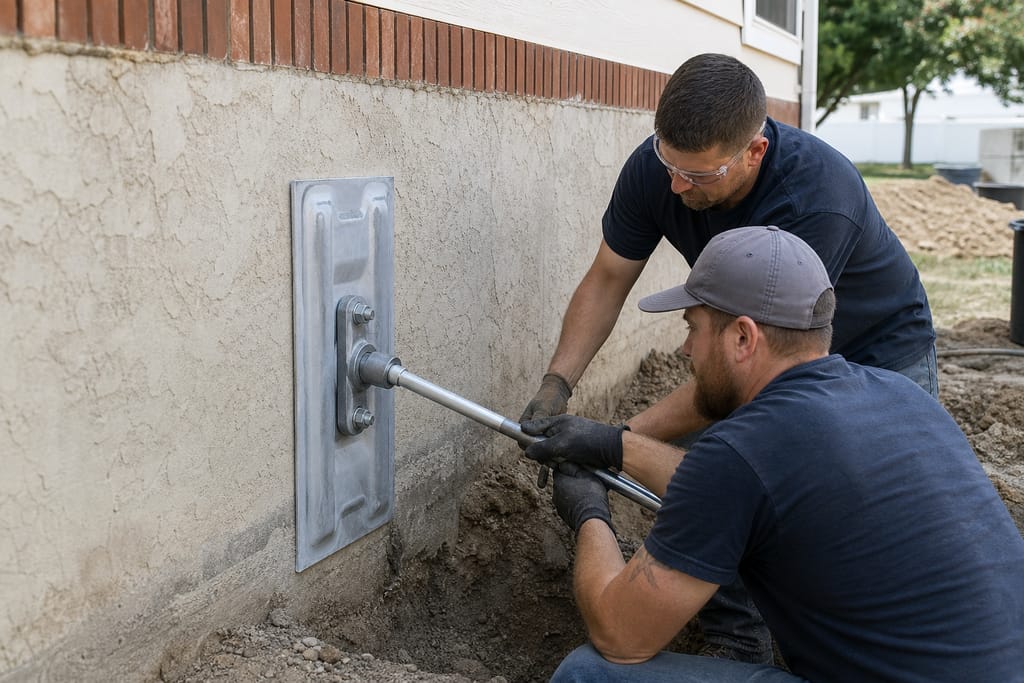 Step 5
Tensioning Adjustment
Anchors or braces are tightened to gradually stabilize the wall.
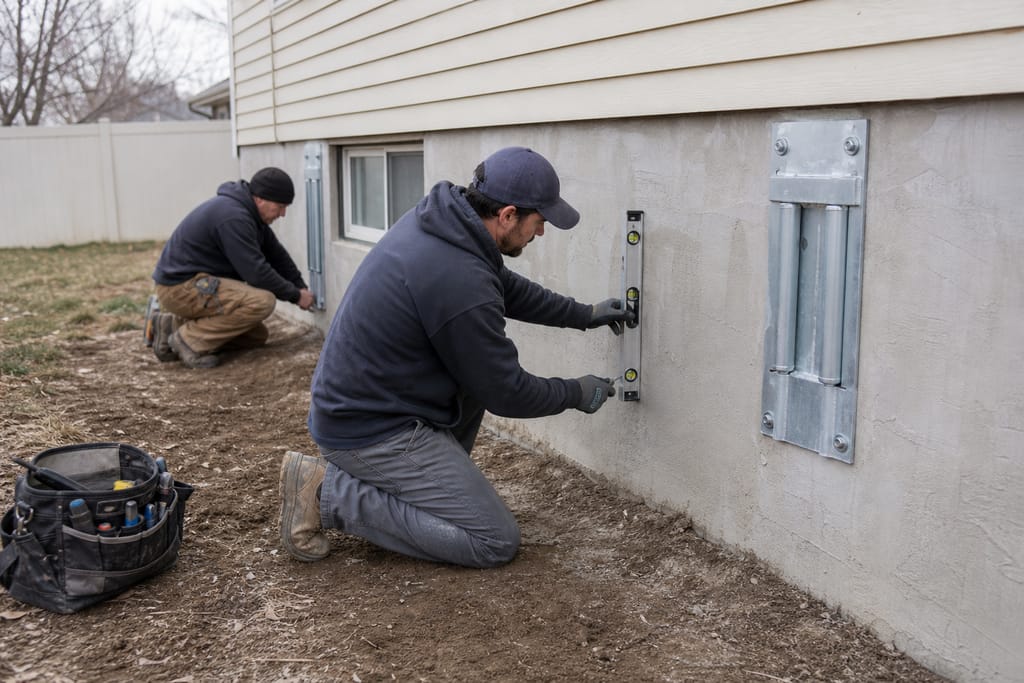 Step 6
Final Inspection
The wall is rechecked to confirm stability and proper installation.
Materials
Materials and methods for Wall Stabilization
Hydrostatic pressure near Utah Lake and across the valley peaks during spring runoff, which is why bracing has to be engineered, not patched.
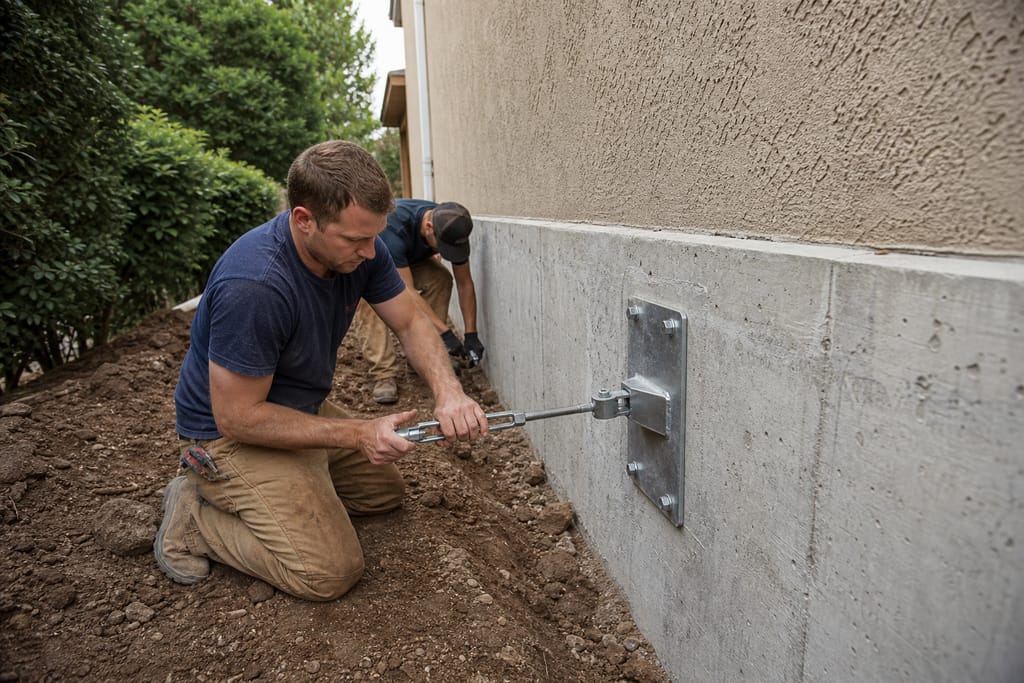
Wall Anchors
Installed in the yard to counteract inward wall pressure, a common fix where there's room to excavate outside.
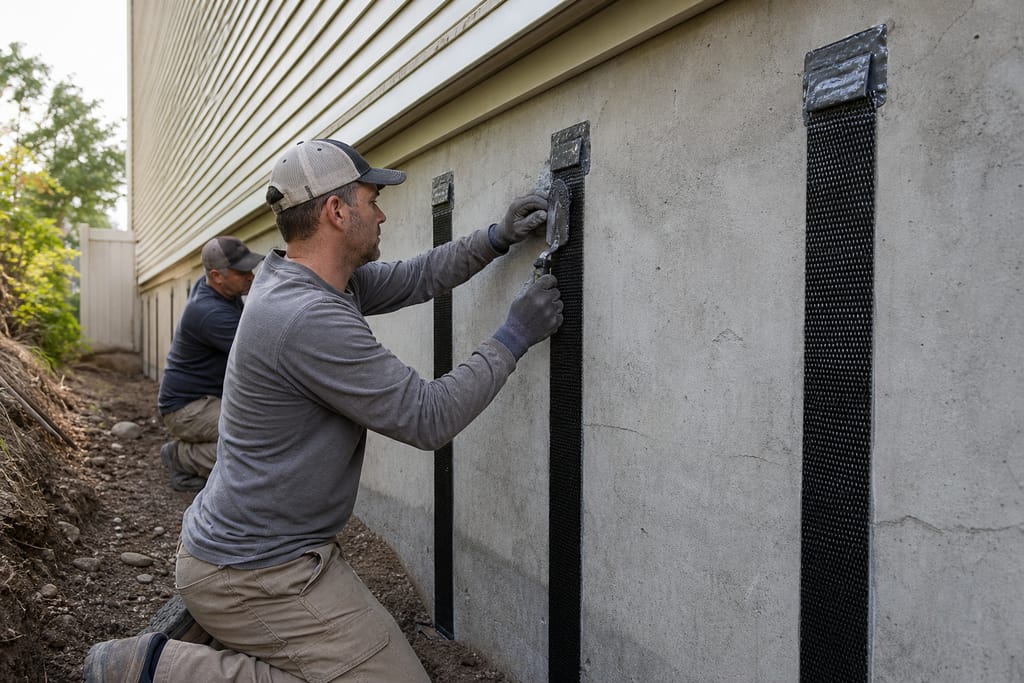
Carbon Fiber Straps
Reinforce walls without requiring extensive excavation, useful on tighter lots.
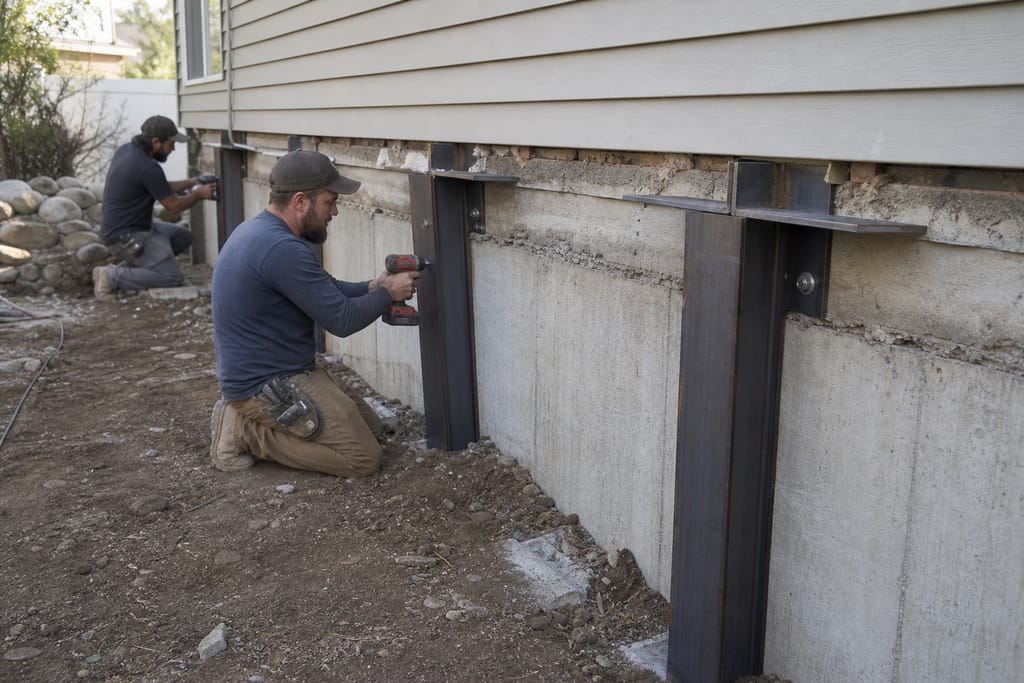
Steel I-Beams
Provide rigid bracing against lateral wall movement.
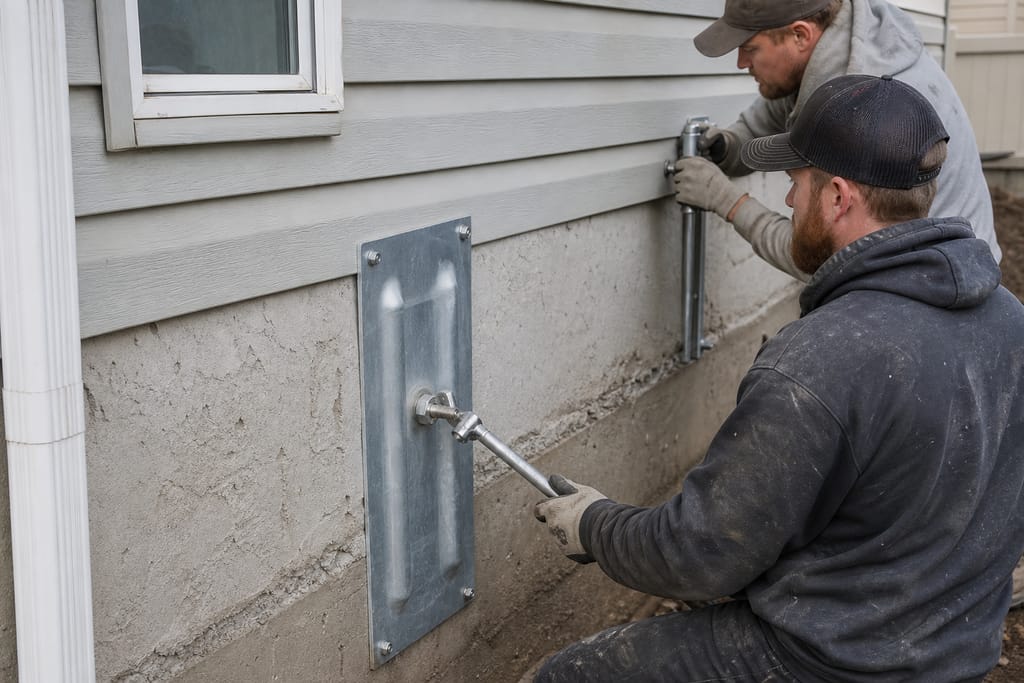
Wall Plates
Distribute anchor tension evenly across the wall surface.
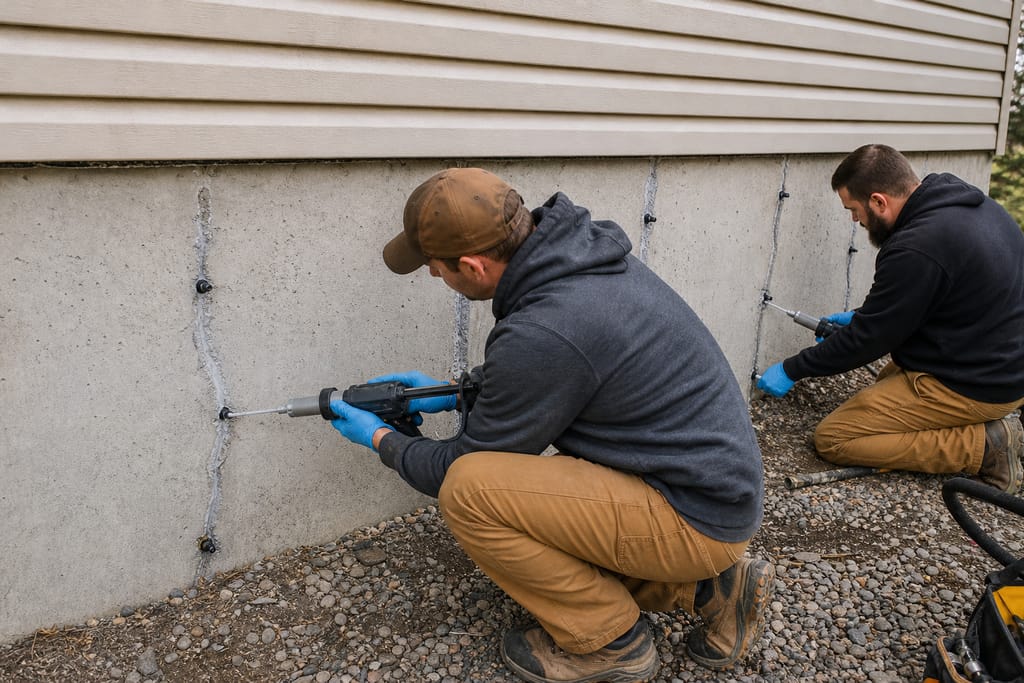
Epoxy Crack Filler
Seals cracks before reinforcement materials are applied.
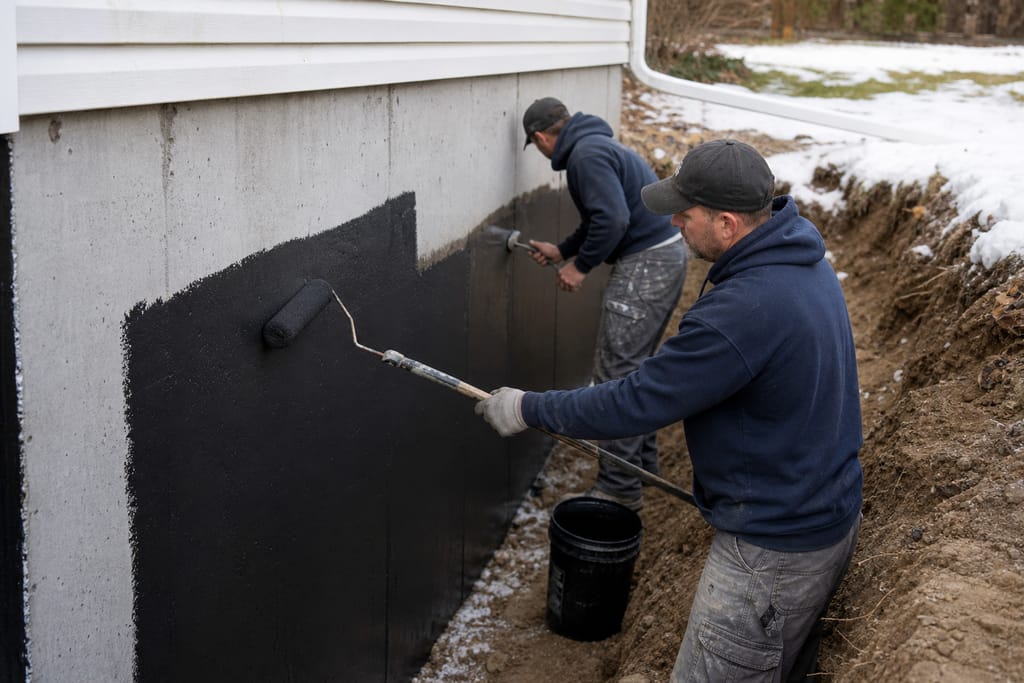
Moisture Barrier Coating
Helps protect reinforced walls from future water damage.
Questions on materials?
Get a Free EstimateTimeline
How long does wall stabilization take?
Most jobs are a matter of days, not weeks, once the method is chosen.
- 01
Inspection and bow measurement
same day - 02
Method selection and written scope
1–2 days - 03
Anchor or beam installation
1–2 days - 04
Tensioning and final check
same day
Need a schedule that fits?
Get a Free EstimateFAQs
Wall Stabilization FAQs
Why does my basement wall bow more after spring snowmelt?
Melting snow and rain saturate the soil outside your foundation, which increases hydrostatic pressure against the wall. Walls that already have a slight bow tend to move more each spring until that pressure is addressed.
Can I fix a bowing wall myself?
A hairline crack with no bow can sometimes be sealed as a DIY project. Once the wall is actually bowing inward, patch compound won't hold against active pressure. It needs engineered bracing.
How much does wall stabilization cost?
Cost depends on wall length, bow severity, and which method fits. Carbon fiber straps tend to run less than steel I-beams or full anchor systems. A free estimate gives you a number specific to your wall.
What's the difference between anchors and carbon fiber straps?
Anchors need yard excavation and give more aggressive correction. Carbon fiber straps work from inside the basement and suit less severe bowing where excavation isn't practical.
Do I need a permit for wall stabilization?
Structural bracing work like anchor or I-beam installation usually requires a permit through Lehi or Utah County.
Next step
Get a Wall Stabilization estimate in Lehi
Call (385) 336-4151 or request a free estimate. We'll measure the bow, explain which method fits, and give you a written price before any work starts.
Before & after
Before and after Wall Stabilization
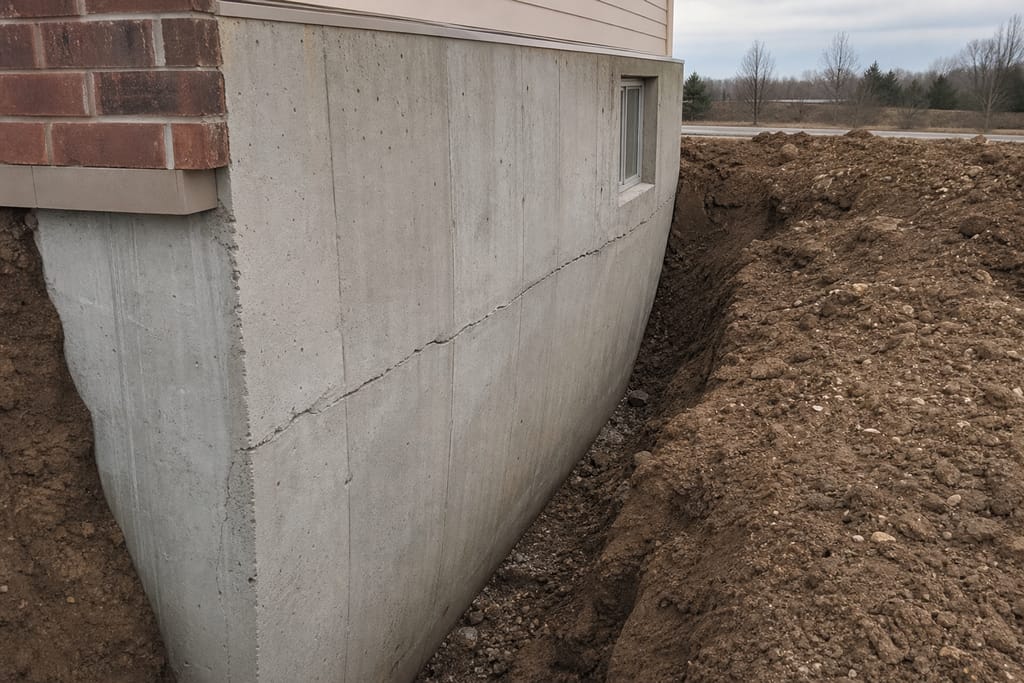
Before 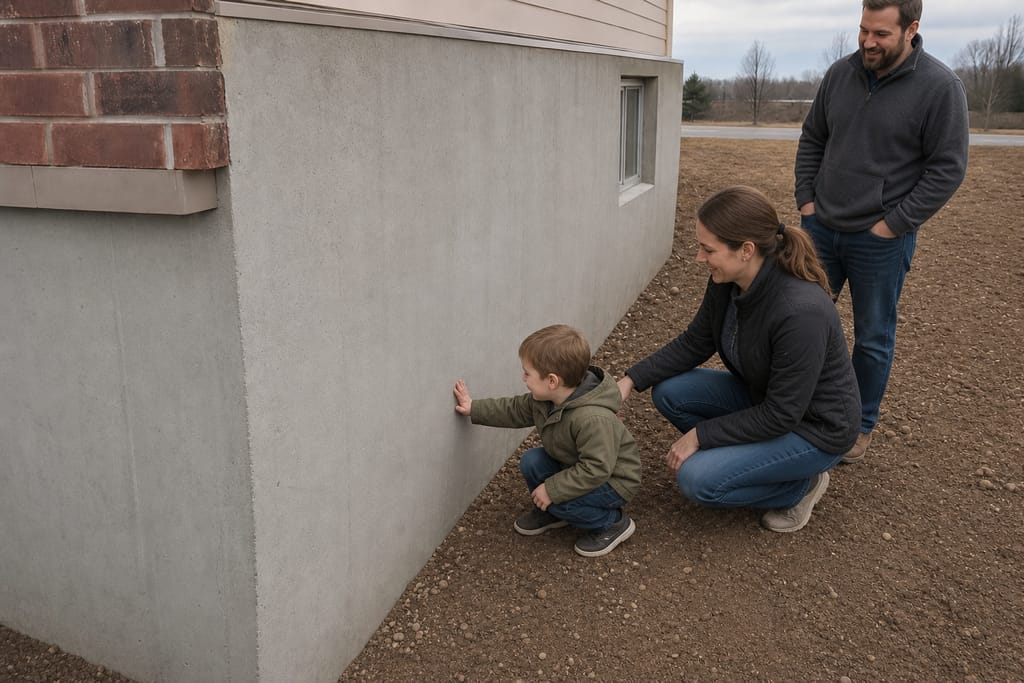
After
More services
Other Foundation Repair services
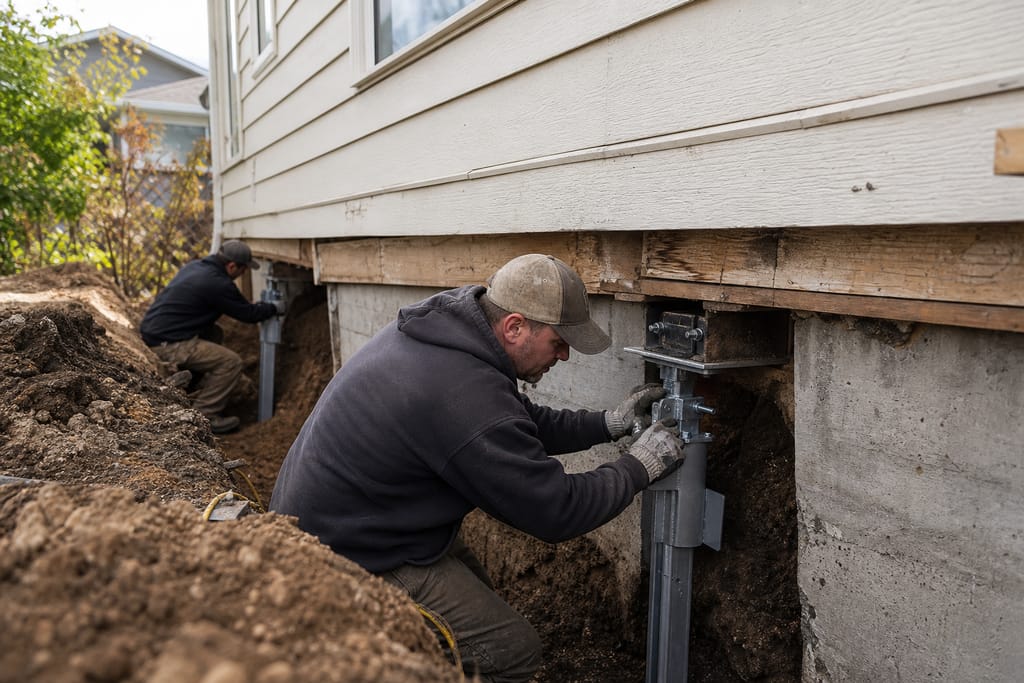
Foundation Repair
Foundation repair in Lehi: crack injection, piering, and wall stabilization, with written estimates and no pressure to oversell piers.
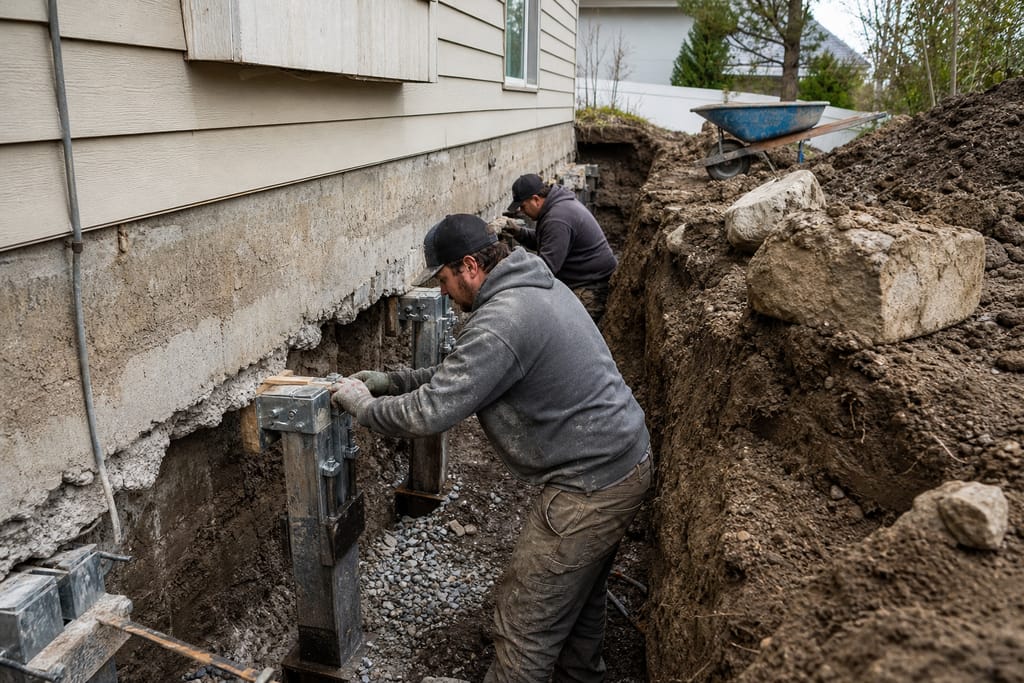
Piering and Underpinning
Push pier and helical pier underpinning in Lehi for settling foundations, with per-pier estimates and no pressure to oversell.
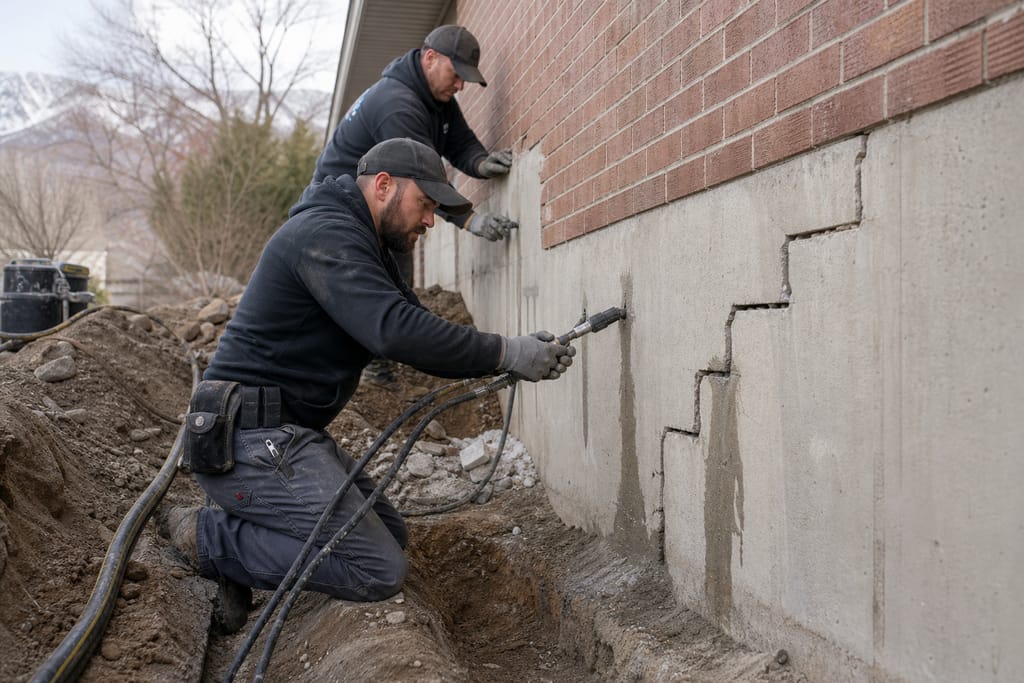
Foundation Crack Repair
Foundation crack repair in Lehi with epoxy or polyurethane injection. Cosmetic vs structural cracks explained, free estimates available.
Ask about Wall Stabilization
Tell us about the project and how to reach you.